Why the Creator Next Door Is Cashing In While the Viral Crowd Burns Out
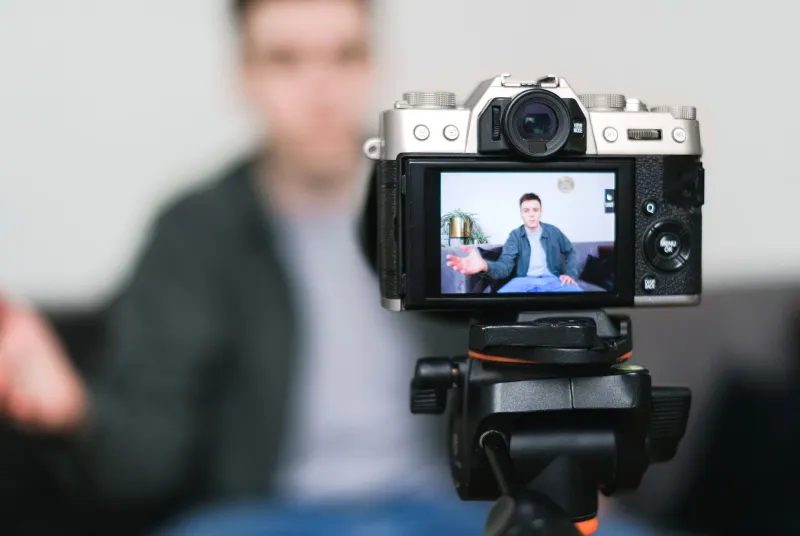
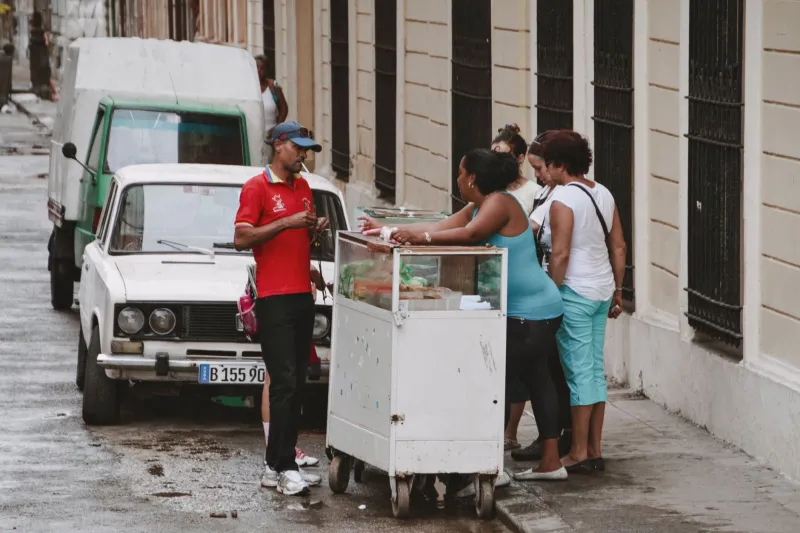
Somewhere in your city, there's a person with maybe 4,000 Instagram followers posting about the best taco spots on the east side, the new mural that just went up near the farmers market, and which local gym actually has good vibes. They're not famous. They're not going viral. And they're quietly making more money per post than some influencers with ten times their audience.
This isn't a fluke. It's a strategy — and it's one that more creators are stumbling into, sometimes by accident, as the economics of big-platform fame get harder to justify.
The Numbers Don't Lie (But They Do Mislead)
The influencer economy has spent years convincing people that follower count is the only metric that matters. Get big or go home. Chase reach. Optimize for virality. But that framing quietly ignores what actually drives money in content creation: relevance.
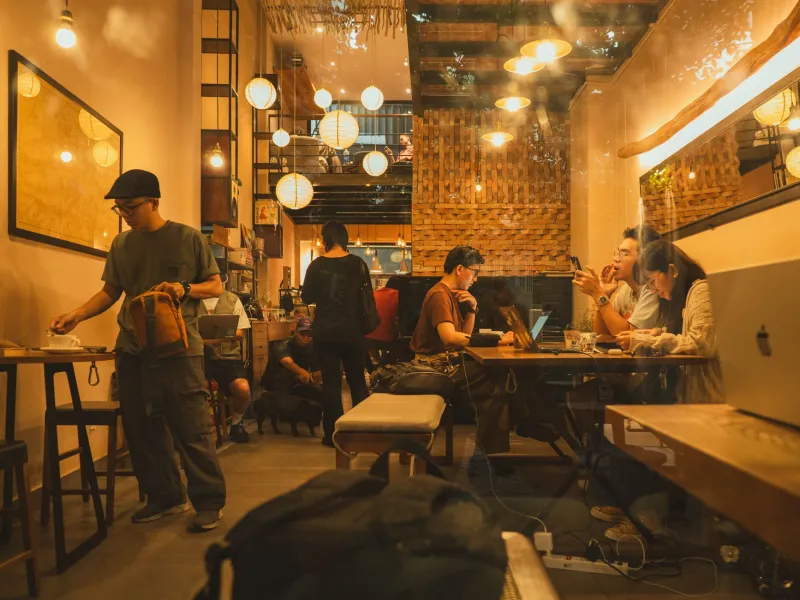
A local coffee shop in Austin, Texas doesn't need their sponsored post seen by 800,000 people in Ohio. They need it seen by 3,000 people who live within driving distance and are already looking for a new morning spot. That's where the hyperlocal creator wins every single time.
Engagement rates for micro-influencers — generally defined as creators with under 50,000 followers — consistently outperform their mega-influencer counterparts. But the real edge for neighborhood-based creators isn't just engagement. It's conversion. When your audience is literally your neighbor, the gap between "I saw this post" and "I walked through that door" is about four blocks.
Local Brands Are Starting to Figure This Out
Small business owners used to dream about getting picked up by a big national account. That dream hasn't totally died, but a smarter version of it is taking over. More and more local brands — boutique fitness studios, independent restaurants, regional real estate agents, neighborhood breweries — are redirecting their marketing dollars toward creators who actually live in the community they're trying to reach.
The pitch is simple and hard to argue with: Why pay a premium for a national creator who has to pretend they've been to your city when you can partner with someone whose audience already trusts their take on the neighborhood?
For the creator, this shift is a genuine opportunity. A single ongoing partnership with a well-loved local business can generate consistent monthly income — sometimes more reliably than chasing one-off sponsored posts on a larger platform. Add two or three of those partnerships together, and you've got something that looks a lot like a sustainable income.
Workshops, Events, and the IRL Advantage
Here's something the national influencer playbook doesn't talk about much: proximity to your audience means you can actually meet them. And meeting your audience opens up revenue streams that no algorithm can replicate.
Local creators are running photography workshops in their own neighborhoods, hosting community dinners, organizing walking food tours, and leading skill-based meetups — all to audiences who showed up specifically because they follow someone they feel genuinely connected to. The trust that takes years to build online can happen faster when you're embedded in the same physical community.
Think about what that looks like in practice. A food blogger in Portland who covers Northeast neighborhood spots doesn't just post recipes — she hosts a monthly "hidden gems" dinner at a rotating local restaurant for 20 of her most engaged followers. Tickets sell out in hours. The restaurant gets a packed house and new regulars. She gets ticket revenue, a deeper community, and a story worth posting about. Everyone wins, and none of it required a single viral moment.
Hyperlocal Sponsorships: Smaller Than You Think, More Valuable Than You'd Expect
The sponsorship world sounds intimidating if you've only ever heard about five-figure deals with national brands. But hyperlocal sponsorships operate on a completely different — and more accessible — scale.
A neighborhood hardware store sponsoring a home improvement creator's Saturday series. A local law firm backing a community-focused podcast about city council decisions. A regional outdoor gear shop partnering with a hiking creator who only covers trails within a two-hour drive. These deals don't make headlines, but they don't need to. They make income.
What makes these partnerships work is specificity. Both the creator and the brand are speaking to the exact same geographic slice of the world. There's no wasted reach, no awkward geographic mismatch, and no need to convince a national brand that your small but dedicated following is worth their time. The local business already knows your audience is their customer base. You're just formalizing what's already obvious.
Staying Small Is the Competitive Moat
Here's the counterintuitive part of this whole picture: growth, for a hyperlocal creator, can actually be a liability. The moment your audience stops being predominantly local, the thing that makes you valuable to local brands starts to dilute. Your leverage isn't scale — it's concentration.
Some creators are actively choosing to stay focused on their city, their neighborhood, their specific corner of the cultural map. Not because they can't grow, but because they've done the math and realized that a loyal, local audience is harder to replicate than a large, scattered one. National influencers can't buy their way into that kind of community trust. It only comes from actually being there.
That's the thing that platforms like IAmNear are built around — the idea that being right here has real, tangible value. Not just socially, but economically. The creator who knows which block in your city has the best street art, which coffee shop is actually quiet enough to work in, and which weekend market is worth waking up early for — that person has something money can't easily manufacture.
So What Does This Mean If You're a Creator?
If you've been grinding away trying to grow a following that could compete on a national stage, it might be worth pausing and looking down at your feet for a second. What do you know about where you live that nobody else is covering well? What local stories are going untold? Which businesses in your neighborhood are still relying on word-of-mouth because they haven't found the right voice to represent them online?
You don't need to go viral. You need to be useful, visible, and trusted within the specific community you actually inhabit. The audience you're looking for might already be walking past your building every morning.
And honestly, that's a much better starting point than most people get.