The Quiet Barter Economy Flourishing Two Doors Down From You
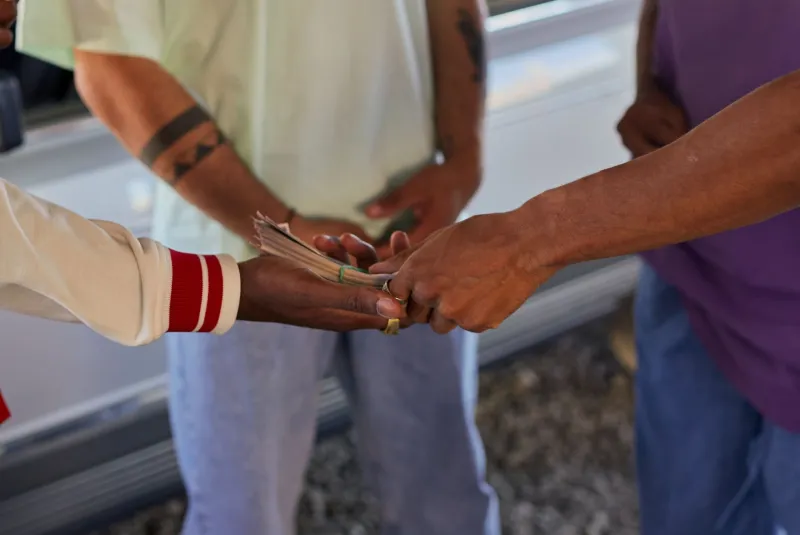
Somewhere between the house with the perpetually overgrown hedges and the corner where someone's always walking a suspiciously large dog, there's an economy humming along that most people never fully tune into. It doesn't have a logo, a venture capital backer, or a Super Bowl ad. It runs on Nextdoor threads, handwritten index cards pinned to laundromat bulletin boards, and the kind of reputation that only comes from actually showing up and doing good work for people who live nearby.
This is the hyperlocal skills economy, and if you haven't tapped into it yet, you're leaving something genuinely valuable on the table.
Why Proximity Changes Everything
The standard gig economy pitch is built around scale — the idea that connecting millions of buyers and sellers across vast distances creates efficiency. And sure, that works for some things. But when you need someone to help you rewire a ceiling fan, teach your kid to play guitar, or translate a legal document from Spanish to English, distance introduces friction that scale can't really fix.
When the person doing the job lives four blocks away, everything shifts. They can show up faster. You can verify their reputation through actual neighbors, not algorithmically curated five-star reviews that may or may not reflect reality. And if something goes sideways, accountability is baked in — they still have to buy groceries at the same store you do.
That last part sounds small, but it isn't. Social proximity is a form of quality control that no platform has successfully replicated digitally, and it's one reason why neighborhood-based skill exchanges are outperforming gig apps for certain categories of work.
What's Actually Being Traded
The range of expertise changing hands at the neighborhood level is wider than most people expect. The obvious stuff is there — lawn care, childcare, handyman work, pet sitting. But spend ten minutes scrolling through a busy neighborhood app in any mid-sized American city and you'll find things that are a lot more specialized.
Former HR directors offering resume coaching. Retired nurses doing in-home health consultations. Freelance graphic designers who'd rather work with local small businesses than chase clients on Upwork. Tax professionals who take clients from their own zip code first because the referral pipeline is more reliable. Even niche things — someone who repairs vintage electronics, a woman in one Chicago neighborhood who teaches traditional Korean cooking classes out of her home kitchen — are finding their audiences without ever posting to a national platform.
The informal nature of these arrangements is actually a feature, not a bug. Transactions are often more flexible, prices are frequently negotiated based on the relationship, and both parties tend to walk away feeling like they got a fair deal rather than a platform-optimized one.
The Trust Infrastructure Nobody Built on Purpose
Here's what makes this whole thing work: trust that accumulated organically over time, in physical space, without anyone designing it.
Neighborhood Facebook groups, Nextdoor communities, local subreddits, HOA message boards — none of these were built specifically to be skills marketplaces. They started as places to complain about parking and ask whether that noise last Tuesday was fireworks or something else. But because they aggregate real people with real identities in a defined geographic area, they ended up creating something that functions like a vetted talent network.
When someone in your neighborhood app posts asking if anyone knows a reliable electrician, and three separate neighbors respond with the same name, that's a signal that no five-star rating system can match. You're not reading reviews from strangers in other states. You're reading recommendations from people who share your specific context — your local permit requirements, your neighborhood's older housing stock, your community's general expectations around pricing and professionalism.
IAmNear exists because this kind of location-anchored information is genuinely different from everything else on the internet. Knowing what's happening near you — including who near you has skills worth hiring — changes how you navigate daily life.
The Provider Side of the Equation
For the people offering skills in these networks, the calculus is interesting. Yes, the rates are sometimes lower than what a national platform might theoretically deliver. But the overhead is dramatically lower too. No platform fees eating into earnings. No algorithm deciding whether your profile gets visibility this week. No competing against a thousand other profiles with suspiciously perfect review scores.
More importantly, local reputation compounds in a way that platform reputation doesn't. Every satisfied neighbor becomes a node in a word-of-mouth network that sends referrals without anyone having to ask. A freelance bookkeeper in Austin who started picking up clients through her neighborhood app told us she now turns away work — not because she raised her prices dramatically, but because the referral volume from a tight geographic community became more than she could handle.
That kind of organic growth is hard to manufacture. It happens when proximity and quality intersect over time.
How to Actually Plug In
If you want to participate in this economy — either as someone looking to hire or someone looking to offer skills — the entry points are simpler than you'd think.
Start by actually reading your neighborhood app or community board instead of just skimming for drama. Pay attention to who gets recommended repeatedly. Notice what requests go unanswered, because that's a gap someone could fill. If you have a skill that's in demand locally, posting a clear, honest description of what you offer and what you charge is usually enough to get things started.
Be upfront about your experience level. Neighborhood networks reward honesty more than polish — people would rather hire someone who accurately describes their abilities than someone who oversells and underdelivers. And if you're hiring, ask for references from people in your immediate area specifically. The further out you go, the weaker the accountability signal gets.
The Bigger Picture
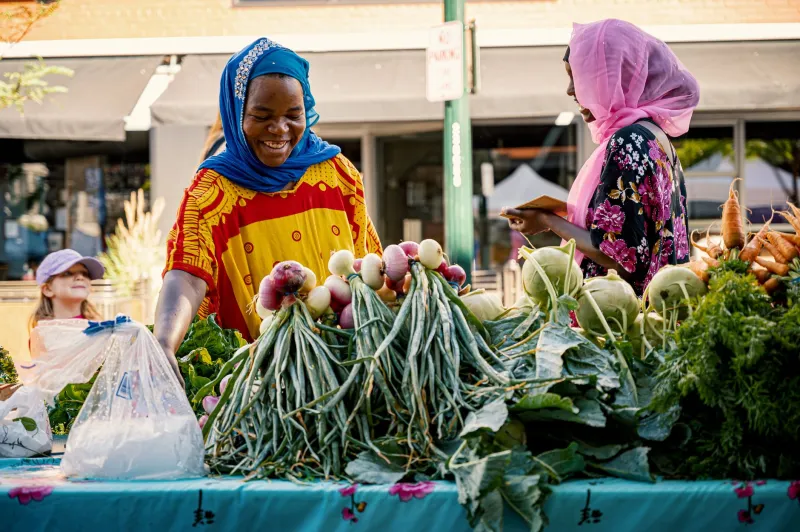
There's a broader shift happening here that goes beyond individual transactions. As remote work continues to redistribute where Americans live and work, and as trust in large platforms erodes across multiple industries, the appeal of doing business with people you can actually run into at the farmer's market is growing.
It's not nostalgia. It's a rational response to the limits of scale. National gig platforms are good at some things and genuinely bad at others — and for the category of skilled, relationship-dependent work that requires real accountability, local networks are winning.
Your neighborhood's informal skills marketplace is already running. The only question is whether you know where to find it.