Your Apartment Complex Has a Hidden Freelance Economy and You're Probably Not In On It

You've probably walked past it a hundred times without noticing. Not a storefront, not a sign, not even a flyer taped to the elevator door. The micro-skill economy thriving inside your apartment complex is almost entirely invisible—and that's kind of the point.
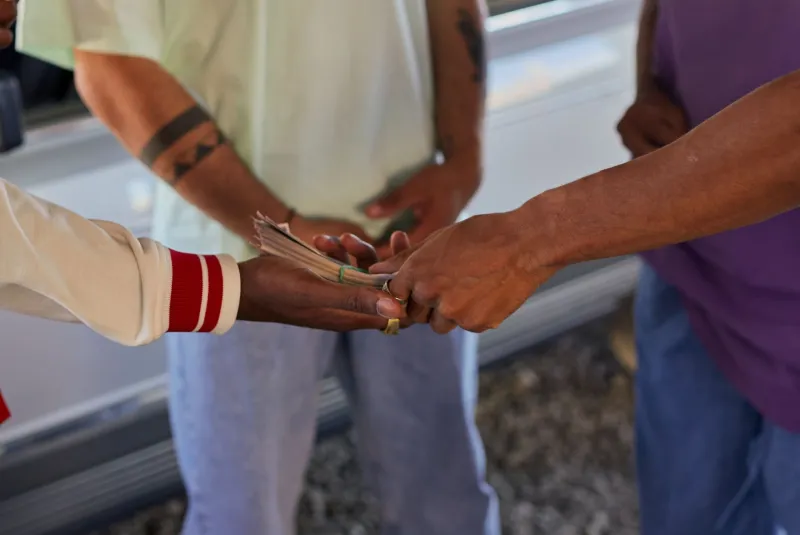
Across the country, in dense urban buildings and sprawling suburban complexes alike, residents are quietly exchanging specialized services with the people who live thirty feet away from them. Dog grooming in 3B. Resume coaching in 7A. Sourdough starter consultations happening in the courtyard on Sunday mornings. It sounds casual because it is—but the dollars flowing through these hyper-local arrangements are very, very real.
Why Your Building Is Already a Marketplace
Think about the sheer density of talent crammed into a mid-size apartment complex. You've got nurses, graphic designers, personal trainers, accountants, former chefs, hobbyist electricians, and people who have inexplicably become experts at fixing whatever's wrong with your MacBook. In a traditional city neighborhood, those skills are scattered across miles. In an apartment building, they're stacked on top of each other.
That proximity changes everything. The friction that usually stops people from hiring a freelancer—vetting strangers online, reading reviews, worrying about no-shows—basically disappears when the person offering the service lives down the hall. You've seen them at the mailboxes. You know they're not going anywhere. That baseline of familiarity is worth more than a five-star rating on any platform.
And unlike Fiverr or TaskRabbit, there's no platform taking a cut. No algorithm deciding whether your listing gets seen. No race to the bottom on pricing because someone in another country can undercut you. The micro-economy inside your building runs on trust and convenience, and both of those things are abundant when everyone shares a zip code—sometimes even a zip+4.
The Profiles You Wouldn't Expect
Take Marcus, a 34-year-old data analyst in a Chicago high-rise who started offering Excel tutoring sessions to his neighbors after casually mentioning his job at a building barbecue. Within three months, he had six regular clients in his building—mostly small business owners and freelancers who needed to get smarter about their numbers but couldn't justify the cost of a formal course. He charges $60 an hour, meets people in the shared lounge, and has never once created a profile on a tutoring platform.
Or consider Priya, a graphic designer in a 200-unit complex in Austin who started doing logo work for two neighbors who ran Etsy shops. Word spread through the building's group chat. Now she has a steady stream of small projects that fills her evenings and weekends, all sourced within walking distance of her front door. "I don't have to pitch myself," she says. "People already know me. That part's already done."
Then there's Derek in a Phoenix apartment community who spent twenty years in HVAC before transitioning to office work. He started answering neighbors' questions about their units for free, then began offering proper consultations for a small fee when he realized people genuinely needed the help—and were willing to pay for it. He's not a licensed contractor, so he sticks to advice and education rather than hands-on repairs, but the income he generates is meaningful, and so is the goodwill.
None of these people set out to build a side hustle. They just happened to be near people who needed what they knew.
Why Proximity Outperforms the Platform
Here's what the gig economy never quite figured out: most of what makes a freelance transaction work isn't the skill itself—it's the trust. Traditional platforms spend enormous resources trying to manufacture trust through ratings, badges, and verification systems. They're essentially trying to simulate the feeling of knowing someone.
Your apartment complex already has that. You've nodded at these people in the parking garage. You've held the elevator. You've complained together about the same leaky roof. That ambient familiarity is a social asset that no app can replicate, and it turns out it's incredibly valuable in a transactional context.
Pricing also tends to be more honest in these arrangements. Without platform pressure to stay competitive with global freelancers, local micro-skill providers can charge rates that actually reflect their expertise. And without the overhead of managing an online presence, they can focus entirely on the work itself.
There's also a reliability factor that's easy to underestimate. When your freelancer lives in your building, cancellations carry social consequences. That accountability—knowing you'll run into this person again—creates a level of follow-through that remote gig work simply can't match.
How to Find (or Start) Your Own Building Economy
The honest answer is that these networks usually form organically, but there are ways to accelerate the process. Building-specific group chats and apps like Nextdoor are obvious starting points, but the real action tends to happen when someone is just openly useful. Offering to help a neighbor with something you're genuinely good at—even once, even for free—has a way of spreading.
If you're looking to tap into what's already happening around you, pay attention to the informal conversations in shared spaces. Mention what you do professionally in passing. Ask your neighbors what they're working on. The marketplace is already there. It just needs a little activation.
And if you're sitting on a skill that people regularly pay for—whether that's photography, tax prep, fitness coaching, pet care, or anything else—it's worth asking yourself whether the best clients you could possibly find might already be living two floors above you.
The Bigger Picture
Platforms like IAmNear are built on a simple but powerful premise: proximity is underutilized. We spend enormous energy searching far and wide for resources, connections, and opportunities that are often sitting right next to us. The micro-skill economy inside apartment complexes is one of the clearest examples of that idea in action.
The gig economy promised flexibility and freedom but delivered algorithmic uncertainty and platform dependency. The version happening in your building right now offers something different—a marketplace built on actual human relationships, operating at a scale where accountability means something and trust doesn't have to be manufactured.
Somebody in your complex is already doing this. The only question is whether you're in on it yet.